
"Rwanda coffee buying guide"
146000 article(s) found

Where does Rwanda buy coffee authentic _ Rwanda coffee bean flavor taste _ Rwanda coffee bean sour
Professional coffee knowledge exchange more coffee bean information Please follow the coffee workshop (Wechat official account cafe_style) since the 1920s, Arabica coffee grown in Rwanda has been famous for its unique fruit sweetness and rich grass aroma. In recent years, the government of Rwanda has taken positive measures to vigorously promote coffee production and establish coffee producers in various places.
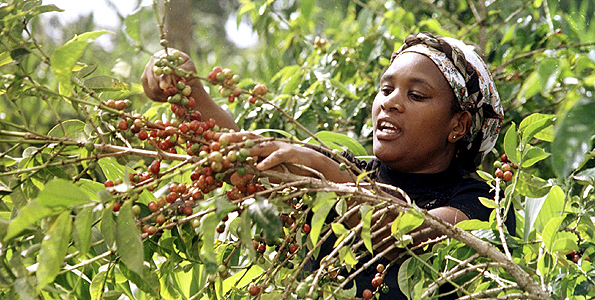
How to choose and buy? How can I buy good coffee beans online? Bourbon species for washing treatment in Rwanda
1. When buying beans online, you should pay attention to the production date, shelf life, packaging and sealing, the roasting degree of coffee beans, the types of coffee beans, and your utensils to determine what kind of beans you want. If you use blue mountain beans to make ESP, it is indeed a maverick way, but it is also too unprofessional and expensive, and the taste is not very good. The production date must be at least
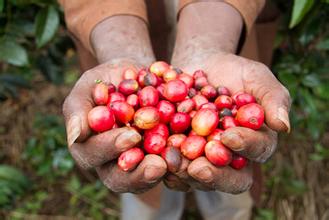
Where can I buy coffee beans online? Where can I buy coffee beans? Washing treatment of Musui treatment Plant in Rwanda
1. When buying beans online, you should pay attention to the production date, shelf life, packaging and sealing, the roasting degree of coffee beans, the types of coffee beans, and your utensils to determine what kind of beans you want. If you use blue mountain beans to make ESP, it is indeed a maverick way, but it is also too unprofessional and expensive, and the taste is not very good. The production date must be at least
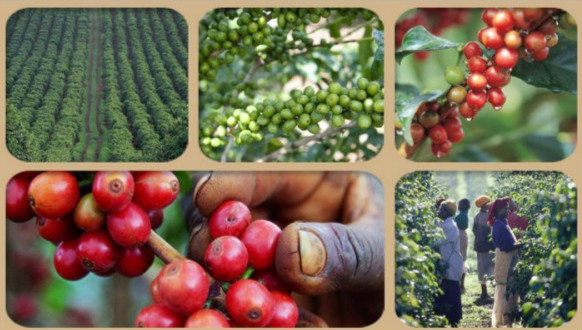
What do you need to pay attention to when buying coffee beans online? Washing Department of Muxiui treatment Plant in the Western Province of Rwanda
1. When buying beans online, you should pay attention to the production date, shelf life, packaging and sealing, the roasting degree of coffee beans, the types of coffee beans, and your utensils to determine what kind of beans you want. If you use blue mountain beans to make ESP, it is indeed a maverick way, but it is also too unprofessional and expensive, and the taste is not very good. The production date must be at least
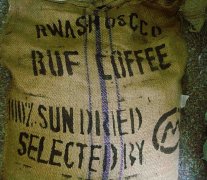
Rwanda Coffee drinking French Coffee Manor-Buf Caf é small Farm Coffee cultivation
Professional barista exchanges please pay attention to the coffee workshop (Wechat official account cafe_style) Rwanda is located in the heart of the interior of Africa, its mountain terrain is fertile land, as well as the ancient traditional bourbon species, indicating that the natural environment needed to grow quality coffee beans can be found everywhere in Rwanda. Coffee was introduced to Rwanda by German missionaries in 1904 and was introduced in 1930 because of coffee.

How to Buy Rwandan Coffee from Rwanda
Professional coffee knowledge exchange More coffee bean information Please pay attention to coffee workshop (Weixin Official Accounts cafe_style) The characteristics of Rwandan coffee Rwandan coffee taste smooth, creamy smooth, with the aftertaste of Ethiopian coffee floral and Kenyan coffee sour. Aromas of lemon and orange, with floral notes, complement sweet citrus notes and finish

For Rwandan coffee beans, it is better to buy raw beans or roasted beans.
Rwandans have been growing coffee since colonial times, but until 1999, its products were still classified as below Class C and were not popular in the global market. The reason for the poor quality is that farmers do not have a fixed procedure for washing coffee beans and do not process coffee fruits according to specifications in time. Buyers buy coffee beans at $0.33 per kilogram, and farmers keep warm by the meagre profits earned at low prices.

Flavor characteristics of Rwandan Coffee in Red Bourbon-Buf Caf é small Farm
Professional coffee knowledge exchange more coffee bean information please follow the coffee workshop (Wechat official account cafe_style) Rwanda is located in the heart of the interior of Africa, its mountain terrain is fertile land, as well as ancient traditional bourbon species, indicating that the natural environment needed to grow quality coffee beans can be found everywhere in Rwanda. Coffee was introduced to Rwanda by German missionaries in 1904, 1930.
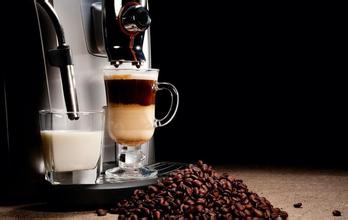
Boutique coffee Rwanda coffee origin Rwanda coffee practice
Rwandans have been growing coffee since colonial times, but until 1999, its products were still classified as below Class C and were not popular in the global market. The reason for the poor quality is that farmers do not have a fixed procedure for washing coffee beans and do not process coffee fruits according to specifications in time. Buyers buy coffee beans at $0.33 per kilogram, and farmers keep warm by the meagre profits earned at low prices.
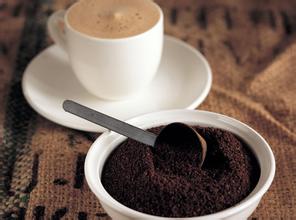
Fine coffee Rwanda Coffee characteristics introduction to Rwanda Coffee
Rwandans have been growing coffee since colonial times, but until 1999, its products were still classified as below Class C and were not popular in the global market. The reason for the poor quality is that farmers do not have a fixed procedure for washing coffee beans and do not process coffee fruits according to specifications in time. Buyers buy coffee beans at $0.33 per kilogram, and farmers keep warm by the meagre profits earned at low prices.

Fine coffee Rwanda coffee manor Rwanda coffee producing area
Rwandans have been growing coffee since colonial times, but until 1999, its products were still classified as below Class C and were not popular in the global market. The reason for the poor quality is that farmers do not have a fixed procedure for washing coffee beans and do not process coffee fruits according to specifications in time. Buyers buy coffee beans at $0.33 per kilogram, and farmers keep warm by the meagre profits earned at low prices.

Rwanda Malaba Coffee introduces the treatment of boutique coffee
Rwandans have been growing coffee since colonial times, but until 1999, its products were still classified as below Class C and were not popular in the global market. The reason for the poor quality is that farmers do not have a fixed procedure for washing coffee beans and do not process coffee fruits according to specifications in time. Buyers buy coffee beans at $0.33 per kilogram, and farmers keep warm by the meagre profits earned at low prices.

Coffee Review: The World's Coffee Buying Guide
Coffee Review, Chinese meaning coffee evaluation, founded by Kenneth Davids in 1997, is an international professional coffee evaluation organization. Coffee Review has been established for more than ten years. Coffee roasters from all over the world have continuously sent roasted coffee bean samples for evaluation. It is like a silent competition. The winner is the loser.

Introduction of washed coffee types and methods of various coffees in Mushuyi treatment plant in western Rwanda
Points: See a friend said to buy coffee powder directly, I personally recommend people in large and medium-sized cities, conditions or buy fresh coffee beans to grind their own is better. To make a good cup of coffee, the most fundamental thing is to have fresh high-quality coffee beans; hand grinding to buy some, you can ensure that the coffee powder is evenly thick. If the grinding is uneven, it will make the coffee taste bad.
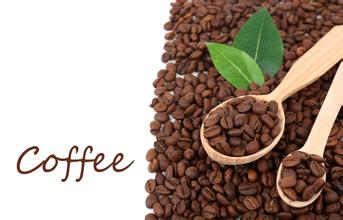
Boutique coffee Rwanda coffee flavor red apple, cherry, cinnamon, honey
Rwandans have been growing coffee since colonial times, but until 1999, its products were still classified as below Class C and were not popular in the global market. The reason for the poor quality is that farmers do not have a fixed procedure for washing coffee beans and do not process coffee fruits according to specifications in time. Buyers buy coffee beans at $0.33 per kilogram, and farmers keep warm by the meagre profits earned at low prices.
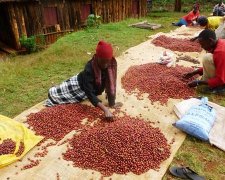
Coffee origin affects the taste of boutique coffee beans. Rwanda single coffee brands recommend climate-friendly.
The origin of coffee has a great influence on the taste of coffee beans. The quality of the soil, the altitude, and even the rainfall in an area determine what kind of coffee can be grown there and the taste of the coffee produced. Coffee producing areas are often classified as mainland-based categories, which is a good start. South American coffee tastes different from African coffee, while Indonesian coffee tastes like

Boutique coffee Rwanda coffee producing area in the western province of Lutexilo
Rwandans have been growing coffee since colonial times, but until 1999, its products were still classified as below Class C and were not popular in the global market. The reason for the poor quality is that farmers do not have a fixed procedure for washing coffee beans and do not process coffee fruits according to specifications in time. Buyers buy coffee beans at $0.33 per kilogram, and farmers keep warm by the meagre profits earned at low prices.
Burundian coffee history and flavor, hand data reference.
Professional coffee knowledge exchange more coffee bean information Please follow Coffee Workshop (Wechat official account cafe_style) Burundi (Burundi) has the most varied and successful coffee industry in the world, and has its own characteristics. Coffee in this country was introduced by Belgian colonists in 1930 and is now grown only on small farms. Unfortunately, many of these farms are engaged in frequent wars.

Chimere Manor, Lutesilo production area, Western Province of Rwanda
Rwandans have been growing coffee since colonial times, but until 1999, its products were still classified as below Class C and were not popular in the global market. The reason for the poor quality is that farmers do not have a fixed procedure for washing coffee beans and do not process coffee fruits according to specifications in time. Buyers buy coffee beans at $0.33 per kilogram, and farmers keep warm by the meagre profits earned at low prices.

Rwanda Coffee Origin Rwanda Coffee Taste
Rwandans have been growing coffee since colonial times, but until 1999, its products were still classified as below Class C and were not popular in the global market. The reason for the poor quality is that farmers do not have a fixed procedure for washing coffee beans and do not process coffee fruits according to specifications in time. Buyers buy coffee beans at $0.33 per kilogram, and farmers keep warm by the meagre profits earned at low prices.